
Participation outcomes, by design
A record system that measures participation, not just activity.
Mind & Motion Community Connect uses telephone contact to help people reconnect with meaningful activity, build confidence, develop independence and take part in community life. This system captures what matters to each person once, and uses it many times — for practice, for review and for the Impact Scorecard.
Referrers do not need an account. Staff access is granted by the Service Lead; accounts without a role can sign in but see no participant information.

One record, one journey
Referral, consent, assessment, plan, contacts, community connections, review, discharge and follow-up sit on a single spine: participant → service episode.
Outcomes are derived, never typed
CONNECT, PARTICIPATE, CONFIDENCE, INDEPENDENCE and SUSTAIN are calculated from the underlying records against stated denominators. Nobody can edit a score.
Governance by design
Role-based access, caseload-limited visibility, separated consent and lawful basis, and an append-only audit trail on every record.
From referral to first contact
Referrals arrive from the person themselves, family and carers, health, social care and the voluntary sector. Each one is recorded once, with the six eligibility criteria answered individually, so a decision can always be explained by what was actually assessed — never by a vague reason. Time from referral to first contact is measured, not estimated.

Connection that leads somewhere
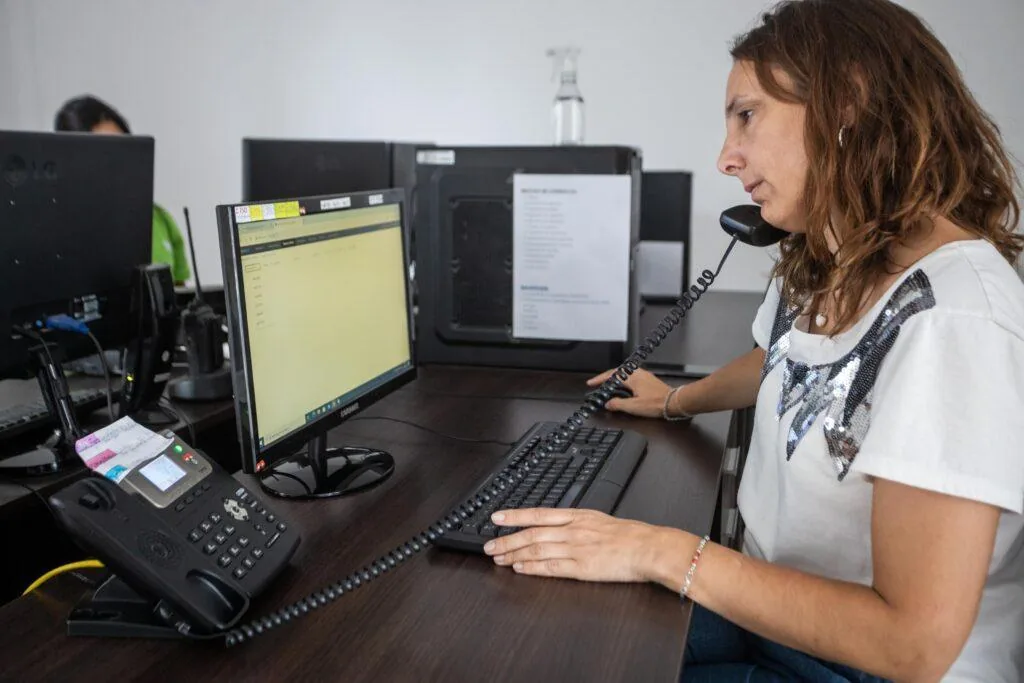
Mind & Motion Community Connect uses telephone contact to help people reconnect with meaningful activity — building confidence, developing independence and taking part in their communities. The telephone is how the service reaches people; participation is what it is for. Every contact is logged with its purpose and outcome, and community connections are recorded separately, so participation that is sustained after the service ends can be seen rather than assumed.
The three numbers
Reported separately and never blended: unique people supported, service episodes delivered, and participants completing outcome assessment. Every impact figure is published with its own denominator and its data completeness rate.